Damp Decoded - When Is it damp or condensation and how to handle it
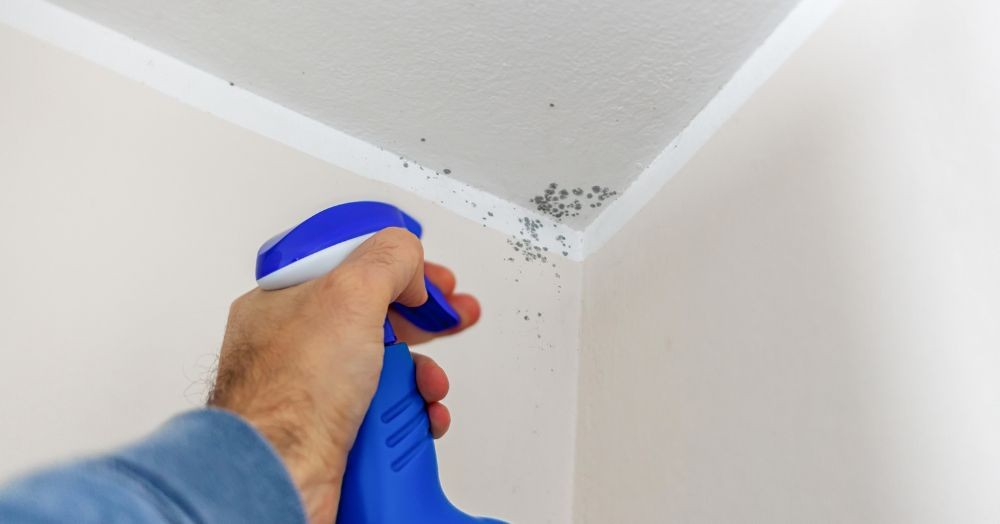
More than just an eyesore, black mould poses a serious health risk. The spores from black mould can affect the airways and lungs, potentially leading to severe illness or even death in extreme cases. But how does black mould develop, and most importantly, what can be done to prevent or treat it?
If you find yourself in the position where black mould is forming in your property, there are some simple checks that you can do. Initially, the mould can be cleaned off using a mould and mildew cleaner, often with a bleach base, to remove the spores and stains from the walls. Then, to prevent it from reforming, changes must be made to how you live in the property.
The average UK household generates over 15 litres of water vapour each day from the occupants as well as showers, boiling kettles and drying clothes. When the moisture droplets in the air cool, water droplets form and settle on the walls and surfaces in your home, and those dark little corners behind furniture remain damp until the mould begins to appear.
The remedy to prevent this is to ensure that your home is warmed sufficiently to reduce the cooling process and to ventilate properly so that moisture-filled steam can escape from the property before it has a chance to cool and settle.
Taking things a step further, you can ensure you don't leave pans boiling on the hob without lids and only hang drying washing in warm, well-ventilated rooms. If you follow these guidelines, you should be able to prevent black mould from appearing in your home.
But what if you follow the guidance and you still have a problem with dampness and mildew?
Damp can penetrate your property, adding to the moisture that is created by living there, and cause mould and mildew for a variety of reasons.
Insulation: If your property is well insulated, it will be warm and dry. However, if a small area of the property is not adequately insulated, this creates a cold spot, which could lead to mould growth as the moisture cools and settles here.
Leaks: If there is a leak in your property, the moisture levels will increase because of the water ingress, leading to unsightly staining and potentially mould. Common causes of leaks are often quite simple to rectify. Assuming the leak is coming from the upstairs of the property, a check of the roof should be your first port of call. This doesn't necessarily mean that the roof requires significant repairs. It can be as simple as cleaning out the gutters. If they are full of leaves, water can not flow properly through the gutters and can run over the top and into the eaves of your property. Slipped tiles can also be a cause of water ingress, which can lead to dampness in the property, but it can be fairly simple to repair.
It is essential to distinguish between damp from a leak, mould and mildew from lack of ventilation and rising damp. Reparations for rising damp are usually caused by either a failed damp proof course or some substance built up against the outside of the property wall, allowing water ingress into the property above the level of the damp proof course.
As you can see, there could be different reasons for damp in a property, and whilst ventilation and heating will help to curb the problem, they might not always resolve the issue. Identifying the cause of the problem will assist in the correct treatment to ensure that your home is free of unsightly and dangerous black mould, which is particularly important if you are considering trying to sell your home.
If you have any further questions or need assistance preparing your home for sale, don't hesitate to contact our team of property experts. We're here to support you.